Small Hours
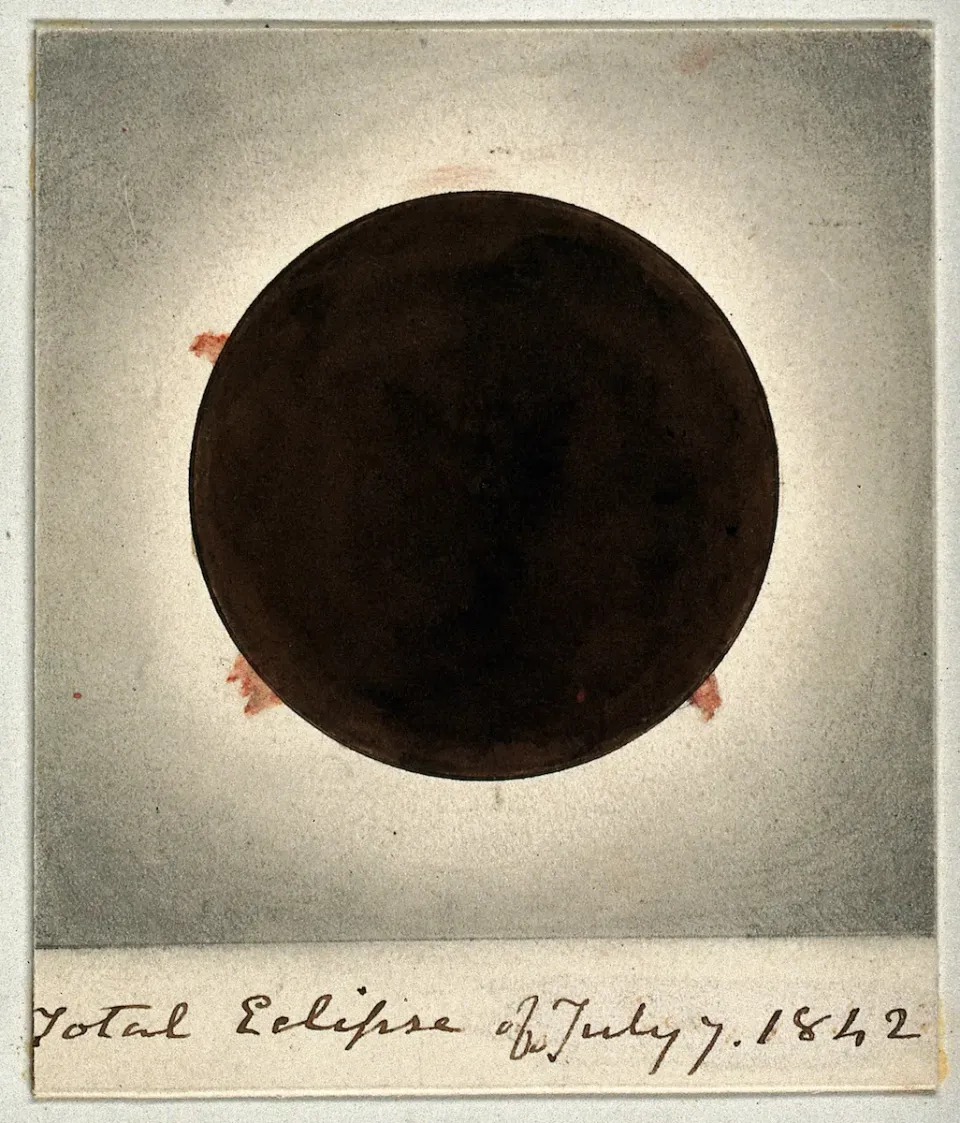
The heat of the earth and countryside rose with the Sun.
Farewell moon. Hello, new day. Until tomorrow night.
With this sliding rite of warmth, the clouds dispersed and the wind, most violent at small hours, departed. This cleared the sky of all natural hurdles save for the flight of birds, the buzzing of tiny multitudes of insects, and other mysterious things that, contradictorily, diverted attention while connecting them.
On these luculent mornings, some saw God. Some even claimed to have felt Them. Some believed they were everywhere all at once. On days like those, ironically, a little more - whatever that meant.
Others embraced and appreciated the majesty of the day as it was, unconcerned about having to thank anyone or anything metaphysical for what was present. On this imaginary scale of imposed gratitude, they felt it was enough because it was true, sans watchful eye. There were more and more of these people nowadays and the one's who saw God didn't like that very much.
The boy, who had been raised in the heat of the earth and the countryside of the rising Sun, believed that if there was anything owed, he should be thanked and not the other way around.
The boy had lived there all his life with his parents, poor farmers who lived with the land. As he aged though, the boy felt more and more above it the more and more he fooled himself into believing he was controlling it. Being born in nature does not always guarantee modesty.
What was beauty if not recognized, appreciated, and shared without me? The boy asked the meadows flower petals.
What was ugliness when void of the vectors of humanity? the boy asked the ripples of the streams. What was anything unless reflected from the mountains and their tops so all souls like myself could see it?
What was the world without its greatest creation? the boy questioned the pine cones jagged and tilted resting along the hiking trail.
His life was spent in those hills of new days and long nights. He nearly drowned with joy in those rivers, lost in nirvana among the trees and their breakable limbs that, like magic, always grew back. Would that sorcery be as wholly appreciated without him? No, the boy decided. Definitely not.
Nature, he believed, possessed everything and therefore nothing without the classifications he gave them. Nature was only justified and propped up by their systems. The boy was convinced Nature was limited by its own inability to appreciate itself, bound by the unconscious constraints evolution - or itself - had apparently left it without.
The boy was not without those gifts and imagined he should be recognized for them.
Over the years, this way of thinking slowly made him resent Nature. As a result, he grew even more distant. He stopped noticing the changing seasons, the humor in an owl's hoot; the faces in the bark of trees. Unless something was important to him and his future plans, he no longer cared as he once did, removing himself from the present.
Being one of all humanity as well as one of the modern collective, the boy was eventually forced to leave the countryside, those hills, those rivers, those trees, and go into the towns. Nature did not bid this. Nature did not care. Nature did not have a say in what society wanted. It was society that needed to ensure the order of their days was satisfied to classify what the boy and the world deemed successful. That was of no importance to Nature or its cycle.
Nature had no idea what they were talking about.
Nature, eternally conditional and foundational, was barely present in the towns. Maybe in manufactured, manicured parks and inlets, but it wasn't the same: installed simulacra never are.
The boy learned this by being overwhelmed by the towns high‑rises, their bridges, their byways, their pollution, their streets filled with trash, their overly produced parks, their aqueducts and overflowing sewers all imposed upon Nature without mercy or complaint.
To simply survive, the boy’s beliefs - after leaving those hills, rivers, and trees - hardened into compulsory municipal habit. The honks of mad drivers replaced the feeling of infinite birds once brought because he no longer listened for them. The sights of strangers yelling from kitchen windows as frying pans popped with oiled meats replaced dawns and dusks because he stopped waiting to see them. The congestion of life’s questions sequestered in subways in the early mornings and late at nights replaced nature’s endless space. The boy chose willingly, day after day, to become one of 350 million bodies tasked to lug their broken gifts and minds home after hours of unrequited labor.
Nature, in chaos, grace, and presence, surrounded the boy like an invisible blanket anyway, providing everything he needed to do it. And the boy soldiered on, grouping and sorting everything - including himself - slowly losing the ability to see the world without the impulse to name it first.
Years and milestones came and went as Nature remained. The boy lived and died little by little without thought or feeling. His only joy came not from progress, not material upgrades or new job titles or races or network advancements, but from what Nature had granted him at no cost - his partner and his kids.
Years later, old and tired, the boy and Nature met again before their recombination of atoms in those same mountains, those same rivers, those same trees and bushes.
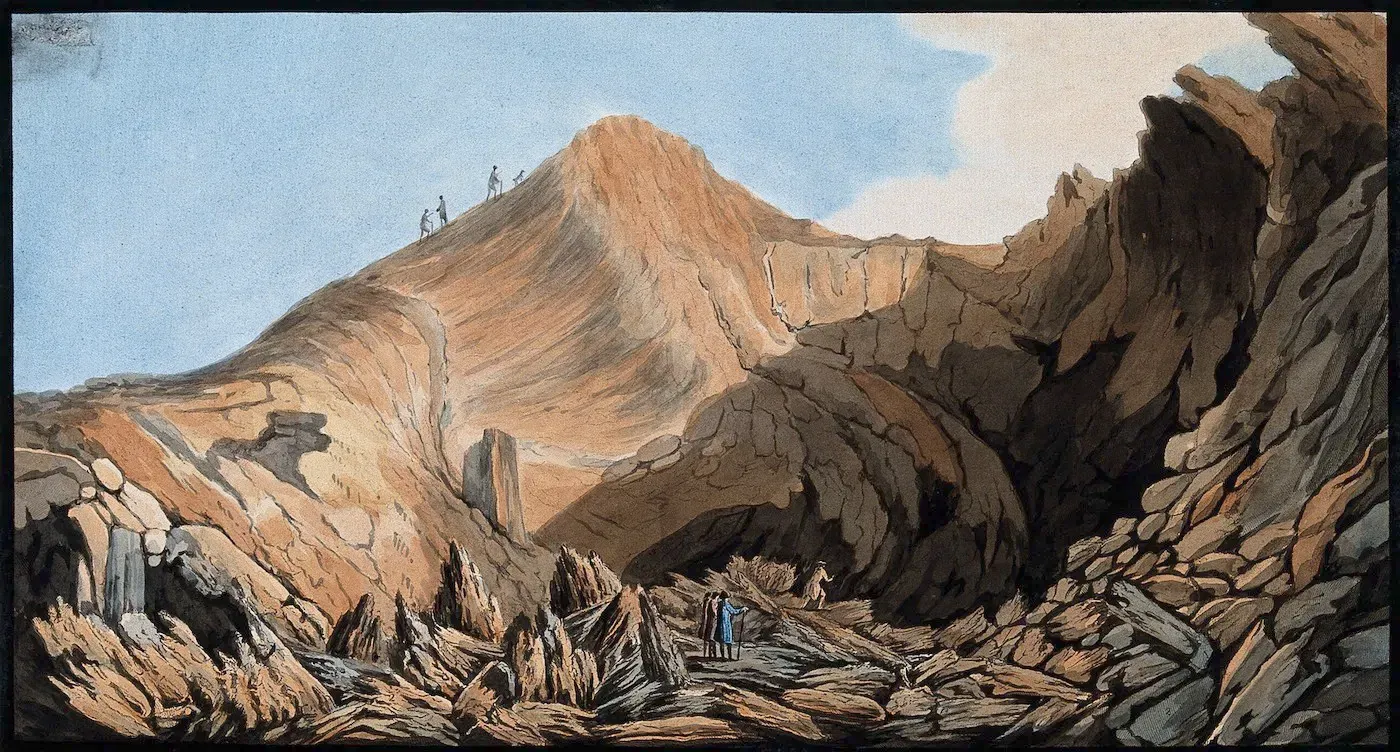
On the highest hill he could climb, the boy apologized for his desire to separate. He was not there when his parents died, busy with the ways of the towns. It was something he could never take back or amend.
"They raised me here and right," the boy told his children.
They were fully grown now, all of them looming around the boy as he rested on his knees at their graves. He opened his palms and pressed them into the warm dirt, his head hanging. A soft wind moved through his thin hair, clearing his eyes.
"I strayed by my own momentum, by my own false ways, but I am back, if you'll have me back - your boy."
He looked up and looked around as if young again, struck with wonder.
Nature's beauty - unlike his - had remained and would always remain - infinite in feeling with no need for a name.
Looking upon his old wrinkled hands, his weathered and tired eyes, his droopy lips and cheeks, and wobbly knees, the boy murmured under his breath:
"We are mere mortals whose views are temporary. We arrive at this place by chance from an unknown source, so we do not respect it. Yet, even after exploitation and abuse, this origin remains."
The boy began to cry and fell forward into the dirt, catching him, taking hold.
“After all we have done...after all I have done, will you have us back?" the boy asked. "We have nowhere else to go.”
The wind moved over the hills and through the trees, unchanged.


Member discussion